
Living a sustainable life feels easier when you start small. Maybe it’s switching to LED lights, choosing the bike instead of the car, or buying food that comes from nearby farms. Each simple decision adds up, for the planet, also for the kind of future we want to share.
At Gladly Network, we see sustainability as a daily choice that grows through habit and awareness. This guide gathers practical ways to make those choices last, so your routine, your home, and even your shopping reflect the good you want to put into the world.
How Can You Transform Your Home Into an Eco-Friendly Space
Energy Efficiency That Actually Works
Smart appliances cut your home energy consumption by up to 30% according to the U.S. Department of Energy. Replace incandescent bulbs with LEDs, which consume 75% less energy and last 25 times longer. Program your thermostat to drop 7-10 degrees when you leave home to save 10% on annual heating and cooling costs.
Unplug electronics when you don’t use them, as phantom power drains nearly 10% of your electricity bill. Energy Star certified appliances consume 10-50% less energy than standard models, which makes them a smart investment.
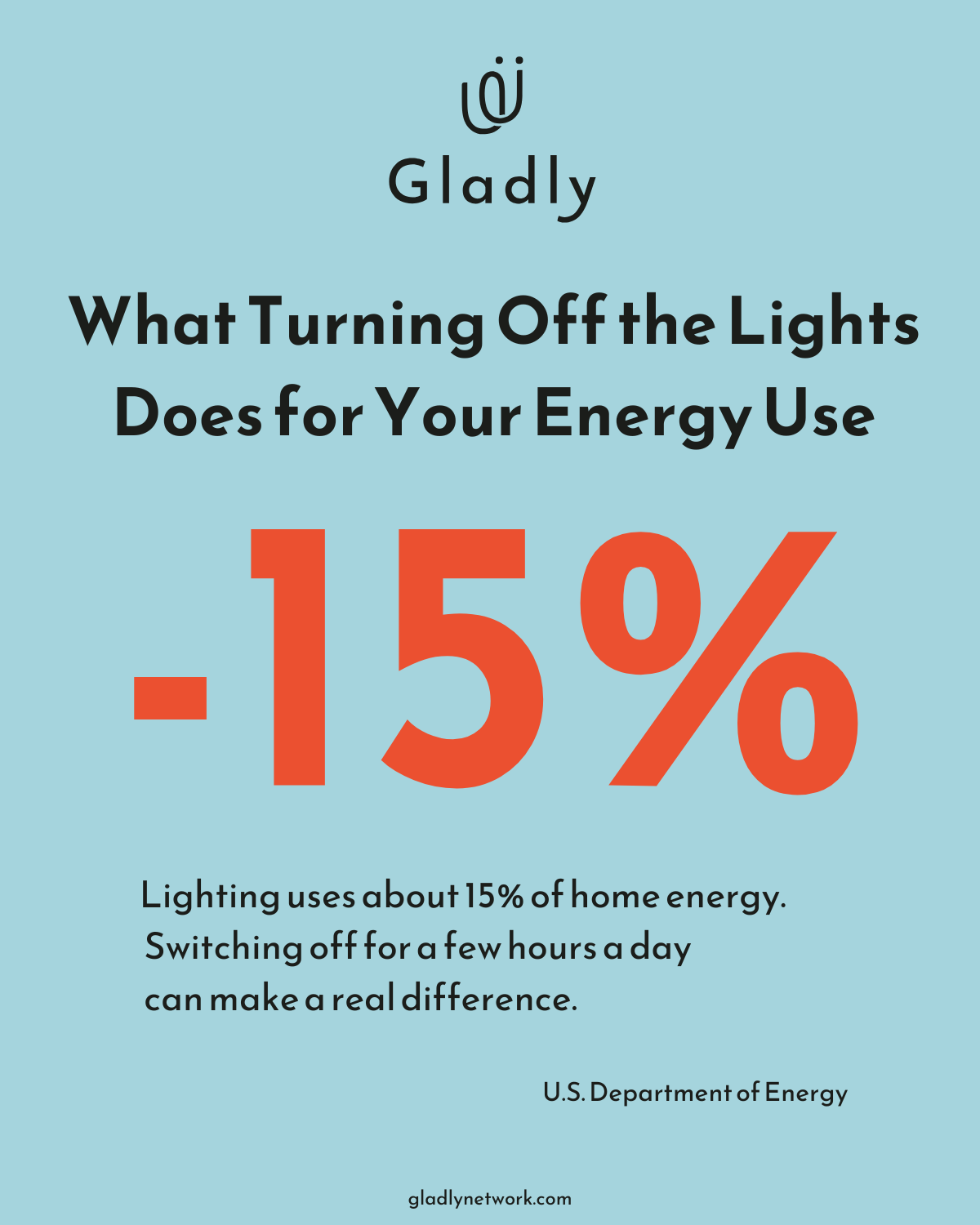
For moments when you want to save even more, consider turning off the lights altogether and lighting a candle. Second Life Candles creates clean-burning soy candles poured into reclaimed glass jars, proving that sustainability can feel warm and beautiful, too. Since lighting represents around 15% of a home’s energy use, even a few candle-lit evenings each week can meaningfully reduce electricity consumption while creating a calm, mindful atmosphere. They give new life to materials that would otherwise be discarded, a simple reminder that energy savings and mindful living can go hand in hand.
Water Conservation Techniques That Make a Difference
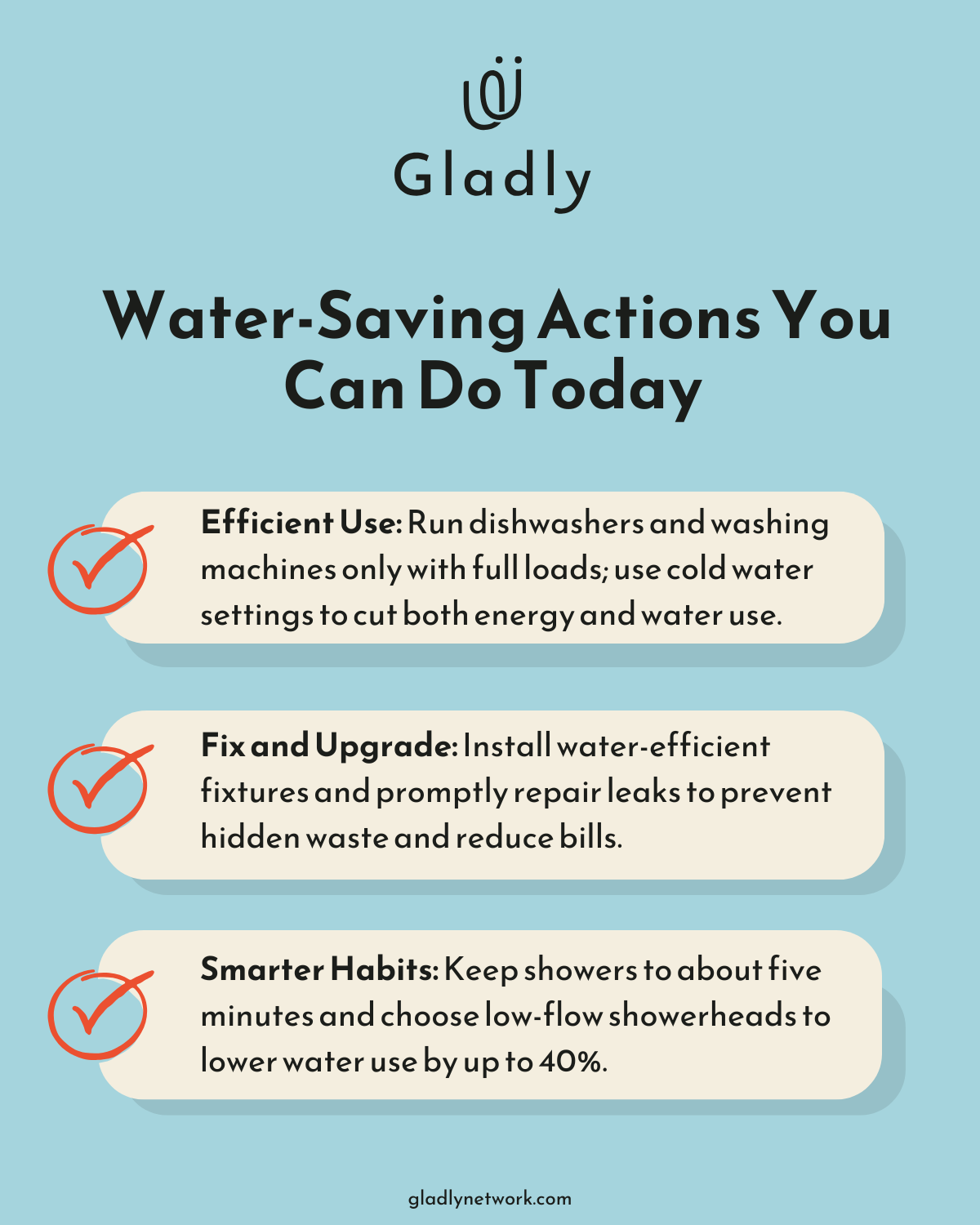
Americans waste approximately 900 billion gallons of water annually through household leaks alone. Fix dripping faucets immediately and install low-flow showerheads to cut water usage by 40%. Take 5-minute showers instead of baths to save 15-25 gallons per use. Run dishwashers and washing machines only with full loads, and select cold water settings when possible. Install water-efficient fixtures throughout your home (toilets account for nearly 30% of household water consumption). These changes can reduce your water bill by $380 yearly while you conserve this precious resource.
Non-Toxic Cleaning Solutions
Conventional cleaning products release volatile organic compounds that damage indoor air quality and harm your health. Switch to plant-based cleaners or create your own with white vinegar, baking soda, and castile soap. These alternatives cost 50% less than commercial products and eliminate exposure to harmful chemicals like ammonia and chlorine bleach. Choose products certified by Green Seal or EcoLogo to guarantee safety standards. Microfiber cloths clean effectively with just water (they reduce chemical dependency while lasting hundreds of washes).
Brands like The Hypochlorous Company make it easy to keep your home safe and sustainable. Their medical-grade, non-toxic cleaning solutions are made from salt, water, and electricity, powerful enough to disinfect, gentle enough for everyday use. And when you shop through Gladly Shop, 6% of every purchase supports local schools and community programs. It’s a simple way to keep your space clean while giving back to the places that matter most.
Your home improvements set the foundation for sustainable living, but your daily travel choices present another significant opportunity to reduce your environmental impact.
How Does Smart Transportation Cut Your Carbon Footprint
Public Transit and Active Transport Benefits
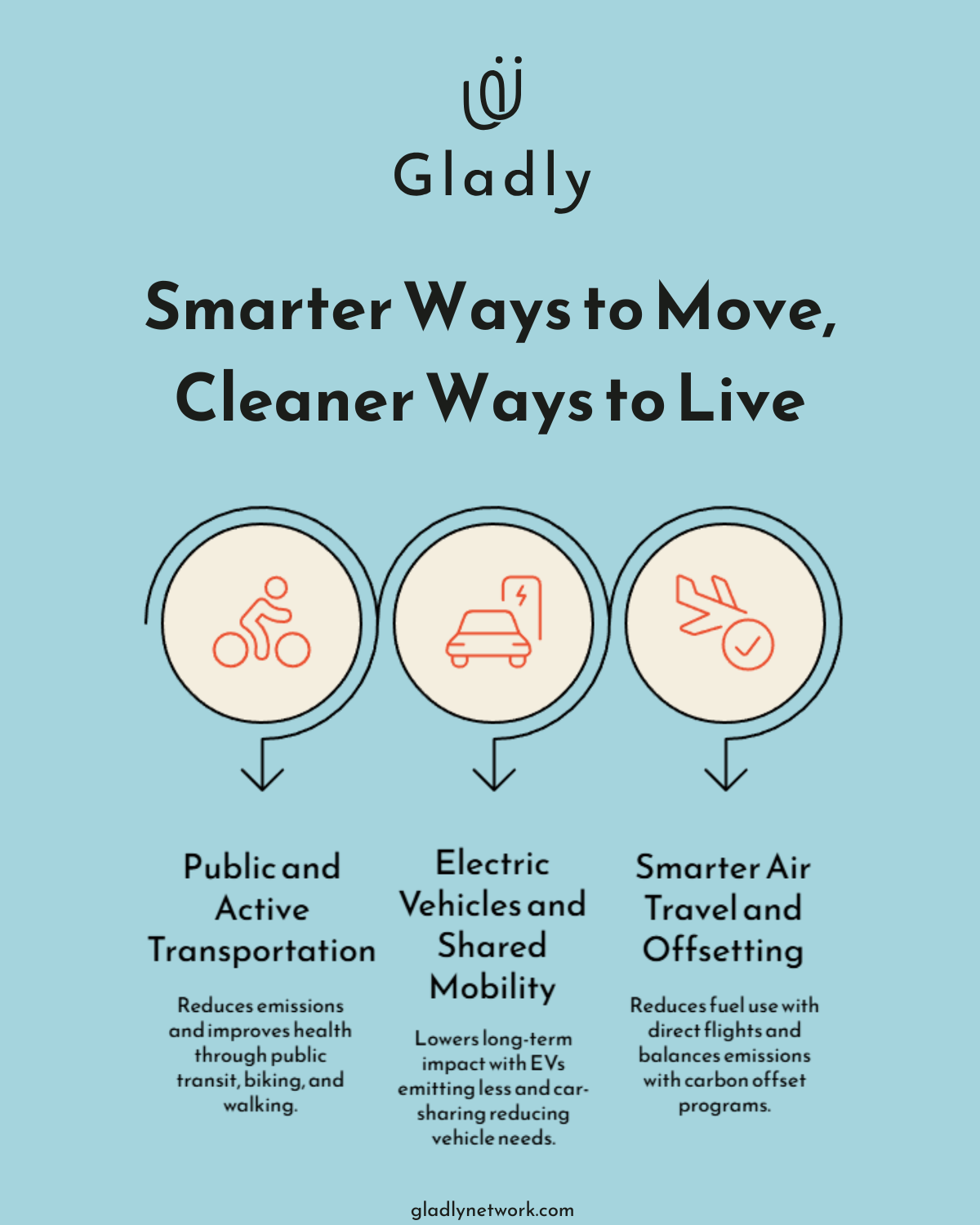
Transportation accounts for 29% of U.S. greenhouse gas emissions according to the Environmental Protection Agency, which makes your mobility choices the biggest lever for environmental impact after housing. Public transit reduces individual carbon emissions by 45% compared to solo car trips, while biking or walking eliminates transportation emissions entirely. Cities with robust transit systems, like San Francisco, see residents produce 50% fewer transport emissions than car-dependent areas.
Active commutes deliver immediate health benefits too – cycling to work burns 400-500 calories per hour and reduces heart disease risk by 46%.
Electric Vehicles and Shared Mobility Solutions
Electric vehicles produce 60% fewer lifetime emissions than gas cars, even when you account for battery production and electricity from the U.S. grid mix. Tesla Model 3 owners save approximately $4,600 annually on fuel and maintenance costs compared to similar gas vehicles. Car sharing through services like Zipcar eliminates the need for 13 personally owned vehicles per shared car, which reduces urban parking demand and production emissions.
Smart Air Travel and Carbon Offset Strategies
For air travel, choose direct flights, which consume 25% less fuel than routes with connections, and pack light since every extra pound increases fuel consumption. Carbon offset programs through Gold Standard certified projects cost $15-30 per ton of CO2 and fund verified renewable energy and reforestation initiatives. Your transportation decisions directly shape both your carbon footprint and your community’s air quality.
Smart transportation choices work hand-in-hand with conscious consumption habits to create a comprehensive approach to sustainable living.
What Foods and Products Actually Support Sustainability
Local and Seasonal Food Choices That Matter
Food transportation generates emissions from agriculture, according to the Environmental Protection Agency, which makes your grocery decisions a powerful tool for environmental change.
Local produce travels an average of 1,500 miles less than imported alternatives and cuts transportation emissions by up to 90%. Seasonal foods cost 30-50% less than out-of-season imports while they deliver peak nutrition and flavor. Visit farmers’ markets where vendors typically grow within 50 miles of the sale location, or join community-supported agriculture programs that deliver fresh produce directly from local farms. Seasonal calendars show that spring brings asparagus and peas, summer delivers tomatoes and corn, fall provides apples and squash, and winter offers citrus and root vegetables.
Plastic Reduction Strategies That Work
Americans generate 4.9 pounds of waste daily, with packages that represent 30% of municipal solid waste according to the Environmental Protection Agency. Replace single-use items with durable alternatives: stainless steel water bottles eliminate 1,460 plastic bottles annually per person, while reusable bags prevent 700 plastic bags from landfills each year.
Choose products with minimal packaging or recyclable materials, and buy in bulk to reduce per-unit waste. Glass containers store food safely and last decades (unlike plastic containers that degrade and leach chemicals). Refuse plastic straws, utensils, and takeout containers when possible, as these items rarely get recycled properly.
Compost and Recycling Systems
Food waste represents 30% of household garbage and produces methane in landfills, a greenhouse gas 28 times more potent than carbon dioxide. Home compost diverts 700 pounds of organic waste per household annually while it creates nutrient-rich soil for gardens.
Start with a simple bin system that uses browns (leaves, paper) and greens (fruit scraps, grass clippings) in a 3:1 ratio. Aluminum can recycling saves 95% of the energy required to produce new cans, while one ton of recycled paper saves 17 trees and 7,000 gallons of water. Clean containers before you recycle and separate materials properly to maintain recycling stream quality (proper separation prevents contamination that ruins entire batches).
Living Well, Giving Back
Every small change matters. Turning off a light, reusing a container, or choosing local produce adds to a larger movement that begins at home. Living a sustainable life means being aware of how your choices shape the world around you.

At Gladly Network, we believe conscious living starts with conscious shopping. Through Gladly Shop and Gladly Travel, you can support brands that give back while contributing to schools and community projects. Joining is free, and each purchase creates a double win: good for the planet and good for the people who share it with you.
The conscious shopper knows that sustainability grows stronger when everyone participates. Choosing with care turns simple actions into lasting change, for your home, your community, and the world.