
A simple quote about kindness can do more than inspire. It can change the way we see ourselves and how we treat others. At Gladly Network, we believe these words spark a ripple effect, proving that compassion has the power to reach far beyond one moment.
In this post, we will highlight the most meaningful kindness quotes, examine the science that explains their impact, and share practical ways to bring compassion into daily life.
Words That Inspire Kindness
Timeless Wisdom on Compassion
Throughout history, influential figures have shared powerful words about kindness. These quotes serve as reminders of the impact our actions can have on others and ourselves.
Mahatma Gandhi once said, “The best way to find yourself is to lose yourself in the service of others.” This profound statement highlights how acts of kindness can lead to personal growth and fulfillment. When we focus on helping others, we often discover new strengths and purpose within ourselves.
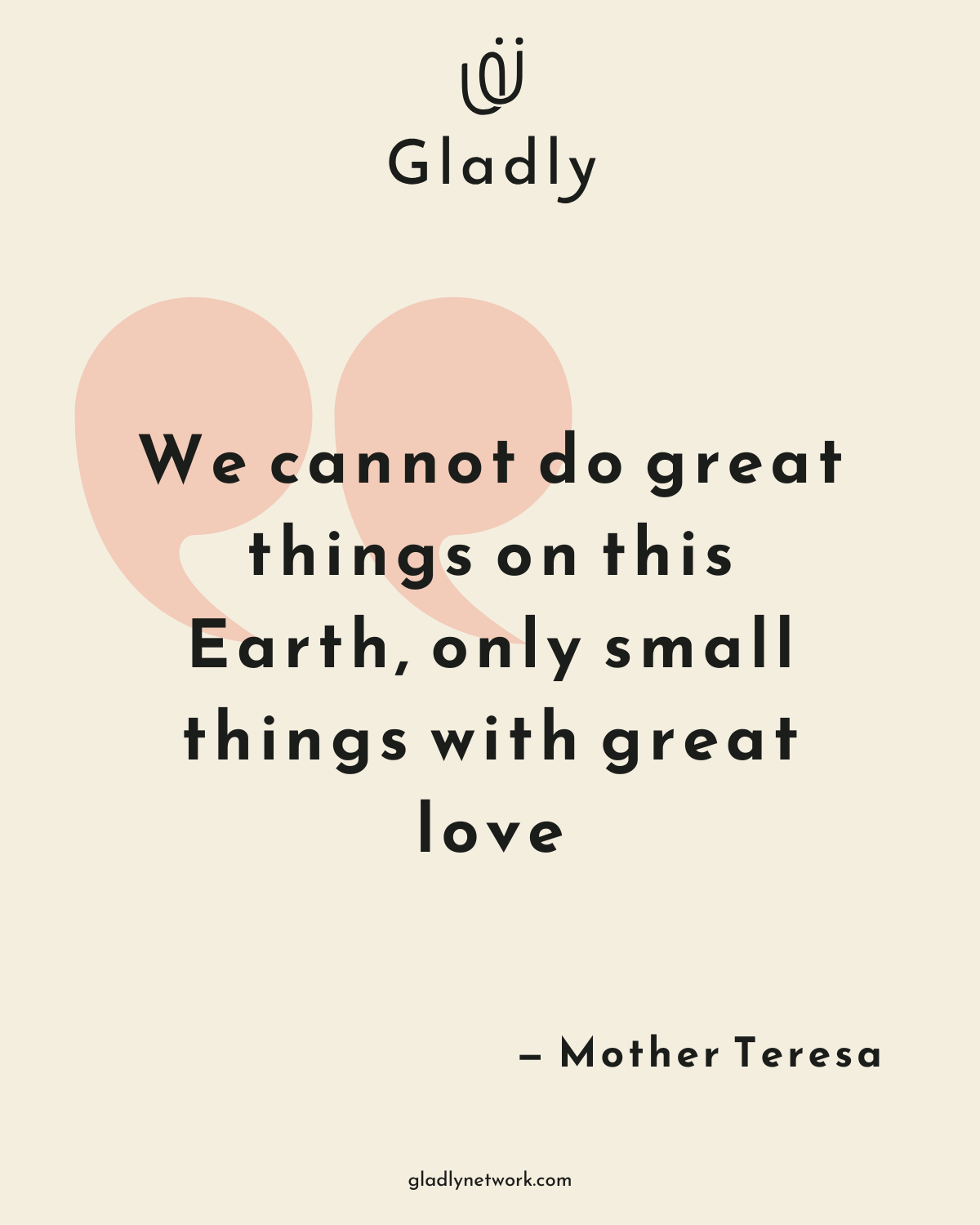
Mother Teresa, known for her lifelong dedication to serving others, stated, “We cannot do great things on this Earth, only small things with great love.” This reminds us that even the smallest acts of kindness (when done with genuine care) can have a significant impact on someone’s life.
Modern Voices Championing Kindness
In more recent times, influential figures continue to emphasize the importance of kindness. Michelle Obama has said, “When they go low, we go high.” This powerful statement encourages us to respond to negativity with grace and kindness, setting a positive example for others.
The Dalai Lama offers a practical perspective on kindness: “Be kind whenever possible. It is always possible.” This simple yet profound advice challenges us to find opportunities for kindness in every situation, no matter how difficult it may seem.
Kindness in Literature and Pop Culture
Literature and popular culture also provide us with thought-provoking quotes about kindness. In J.K. Rowling’s Harry Potter series, Albus Dumbledore says, “Words are, in my not-so-humble opinion, our most inexhaustible source of magic. Capable of both inflicting injury, and remedying it.” This reminds us of the power our words hold and encourages us to use them to spread kindness.
The Impact of Kindness Quotes
These words of wisdom motivate action. Sharing stories of kindness on social media (with hashtags like #getgladly) can spread these messages further and motivate others to join in creating a kinder world. Each act of kindness, no matter how small, contributes to a larger movement of positivity and compassion.
As we move from words to actions, let’s explore how science supports the power of kindness in our next section.
The Measurable Impact of Kindness
Kindness Enhances Mental Health
Recent scientific studies have revealed the tangible benefits of kind acts on our minds, bodies, and communities. Every day, simple acts of kindness can contribute to boosting your mood, reducing stress, and possibly alleviating symptoms of depression or anxiety.
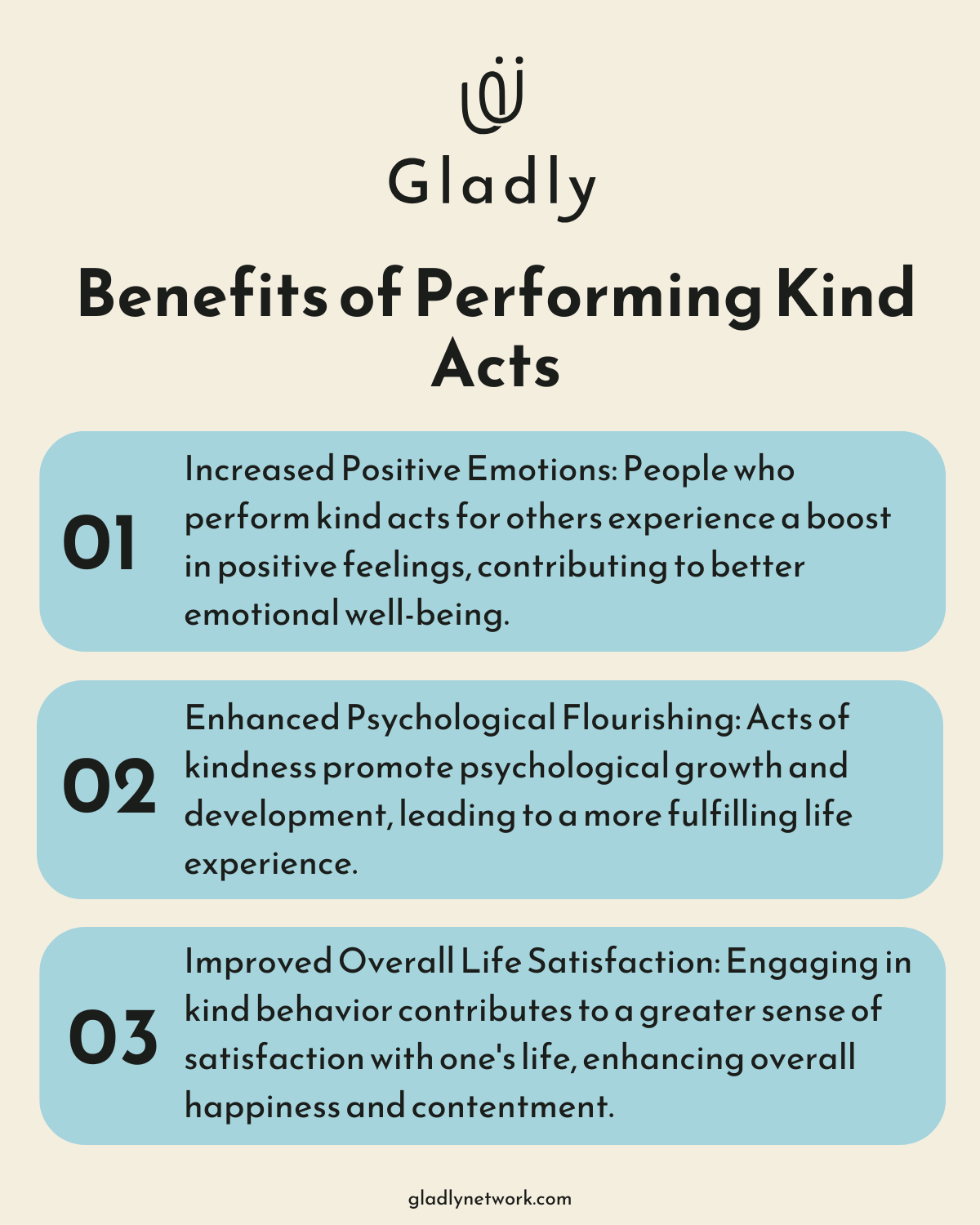
A 2016 study published in the journal Emotion showed that people who performed kind acts for others experienced increased positive emotions, psychological flourishing, and overall life satisfaction. This suggests that kindness benefits not only the recipient but also the giver.
Beyond the science, platforms like ImpactSuite are putting these findings into practice by helping individuals and organizations care for emotional health every day. With tools for self-check-ins, mindfulness, and coaching, ImpactSuite empowers people to manage stress, improve resilience, and strengthen their overall well-being, proving that kindness toward ourselves is just as vital as kindness toward others.
As Gladly Voice Alaina Mandel puts it, “health is not about perfection but presence.” This reminder connects directly with the science of kindness, showing that even small, intentional acts of compassion can strengthen mental and emotional well-being.
The following chart summarizes these key benefits of performing kind acts:
Compassion Improves Physical Health
Kindness affects more than just our mental state; it has concrete impacts on our physical health, too. Dr. David Hamilton, author of The Five Side Effects of Kindness, notes that acts of kindness produce oxytocin (often called the “love hormone”). This hormone helps lower blood pressure and improve overall heart health.
A study from Emory University discovered that volunteering regularly could have health benefits for older adults. Research has focused on volunteers aged 50 years and older, examining the relationship between volunteering and cardiovascular health.
Kindness Builds Stronger Communities
The ripple effect of kindness extends beyond individuals to entire communities. A 2018 study in the Journal of Experimental Psychology found that performing kind acts for others increases our own happiness and well-being, which in turn makes us more likely to continue being kind. This creates a positive feedback loop that can transform social dynamics.
Many community initiatives have highlighted countless stories of individuals whose simple gestures of kindness have had far-reaching impacts, inspiring others to pay it forward.
The Power of Kindness in Action
The science is clear: kindness is a powerful tool for personal and societal well-being. Understanding its measurable impacts allows us to approach kindness not just as a nice-to-have, but as an essential component of a healthy, thriving life and community.
As we explore the scientific evidence supporting the power of kindness, it becomes evident that incorporating compassion into our daily lives can lead to significant positive changes. The next section will provide practical tips on how to cultivate a mindset of kindness and integrate it into our everyday routines.
Organizations that prioritize rewards and recognition experience lower turnover rates and higher engagement, demonstrating the measurable impact of kindness in the workplace.
How to Practice Kindness Every Day
Kindness is a skill we can develop through daily practice. Everyday actions of kindness can create a ripple effect of positivity in our lives and communities.
Start Your Day with Kindness
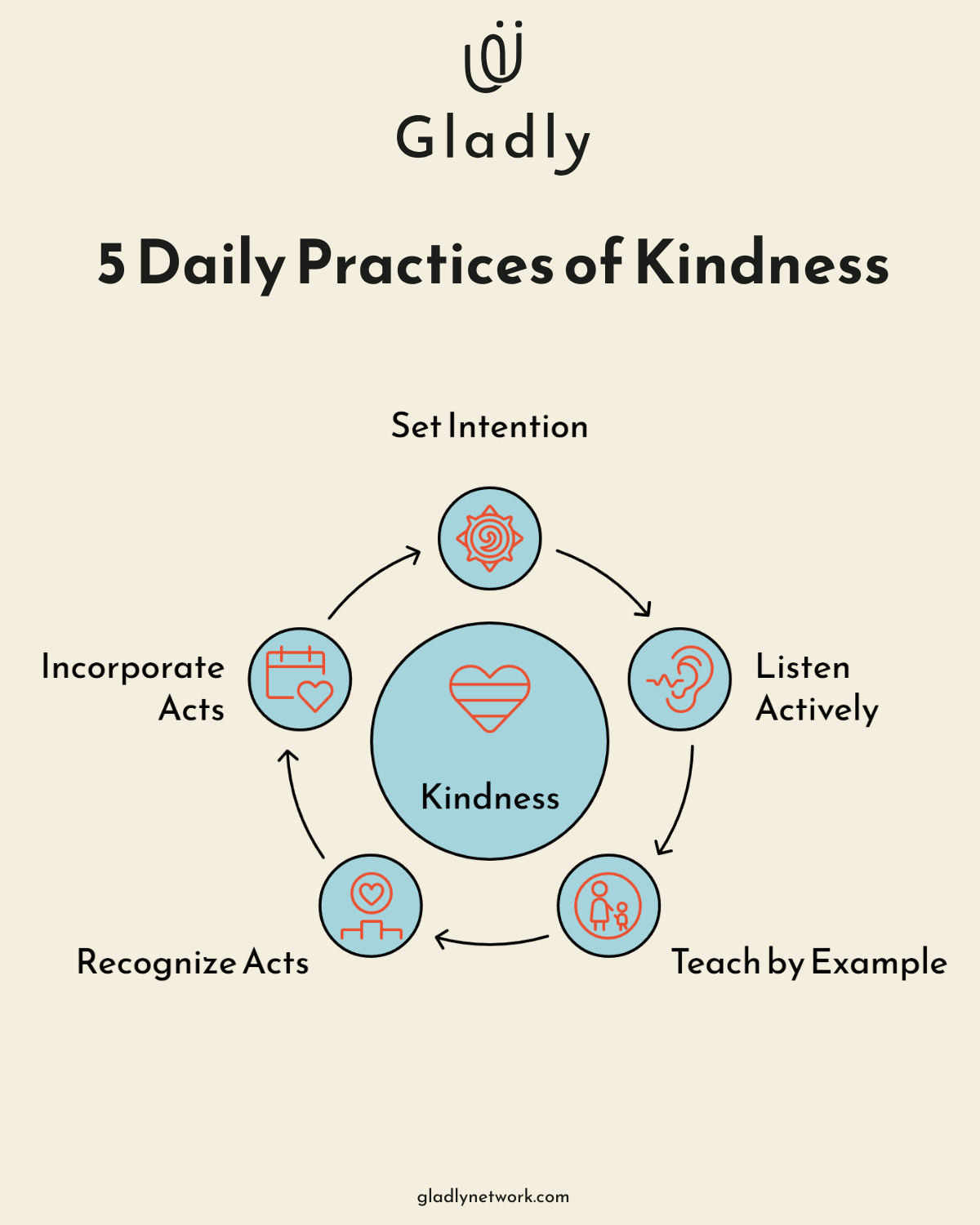
Set an intention to be kind each morning. This could involve smiling at strangers on your commute or sending a supportive text to a friend. These small gestures can set a positive tone for your entire day.
Research suggests that gratitude may be associated with many benefits for individuals, including better physical and psychological health, increased happiness, and more connected relationships. Try to write down three things you’re grateful for each morning to cultivate a mindset of appreciation and kindness.
Practice Active Listening
One of the most powerful acts of kindness is to give someone your full attention. Put away your phone, make eye contact, and truly listen when others speak. This simple act can make people feel valued and understood.
A study published in the Journal of Research in Personality showed that people who engage in active listening report higher levels of empathy and emotional intelligence. These skills are important for building strong relationships and fostering a culture of kindness.
Teach Kindness to Children
Children learn by example, so modeling kind behavior is important. Encourage kids to perform small acts of kindness, like sharing toys or helping a classmate. Discuss the impact of their actions and how they made others feel.
The Kindness Curriculum (developed by the Center for Healthy Minds at the University of Wisconsin-Madison) has shown promising results in promoting prosocial behavior in preschoolers. The curriculum focuses on mindfulness and kindness practices, leading to improved social skills and academic performance.
Recognize and Reward Kindness
We at Gladly Network believe in the power of recognizing and rewarding acts of kindness. Share stories of kindness on social media with #getgladly to inspire others and create a community centered around compassion. Each nomination not only celebrates kindness but also enters you into a prize draw (making kindness a win-win for everyone involved).
In workplaces, platforms like Motivosity make this idea actionable by turning peer recognition into an everyday habit. Their people-first rewards system helps teams celebrate acts of kindness, strengthen connections, and build cultures where compassion is not only encouraged but magnified.
Incorporate Small Acts into Your Routine
Make kindness a habit by incorporating simple gestures into your daily routine. Hold the door open for someone, offer a genuine compliment, or leave a positive review for a local business. These simple actions (which take only a moment) can brighten someone’s day and inspire them to pass on the kindness.
To help you get started, here’s a visual guide to practicing kindness every day:
Where Kindness Meets Action
Kindness begins with simple choices that ripple outward into lasting change. Quotes about compassion remind us that even the smallest actions can inspire meaningful change, motivating us to build stronger, more connected communities.

Science confirms what wisdom has long suggested: practicing kindness improves mental health, reduces stress, and enhances overall well-being. The ripple effect of these actions extends beyond individuals, creating a cycle of positivity that benefits everyone.
At Gladly Network, we believe that kindness can also live in the way we shop. Through conscious purchasing, every choice becomes an opportunity to support brands that give back and to align our daily lives with our values. And because it’s free to join, anyone can take the first step toward making their shopping more intentional, turning everyday purchases into acts of kindness that matter.