
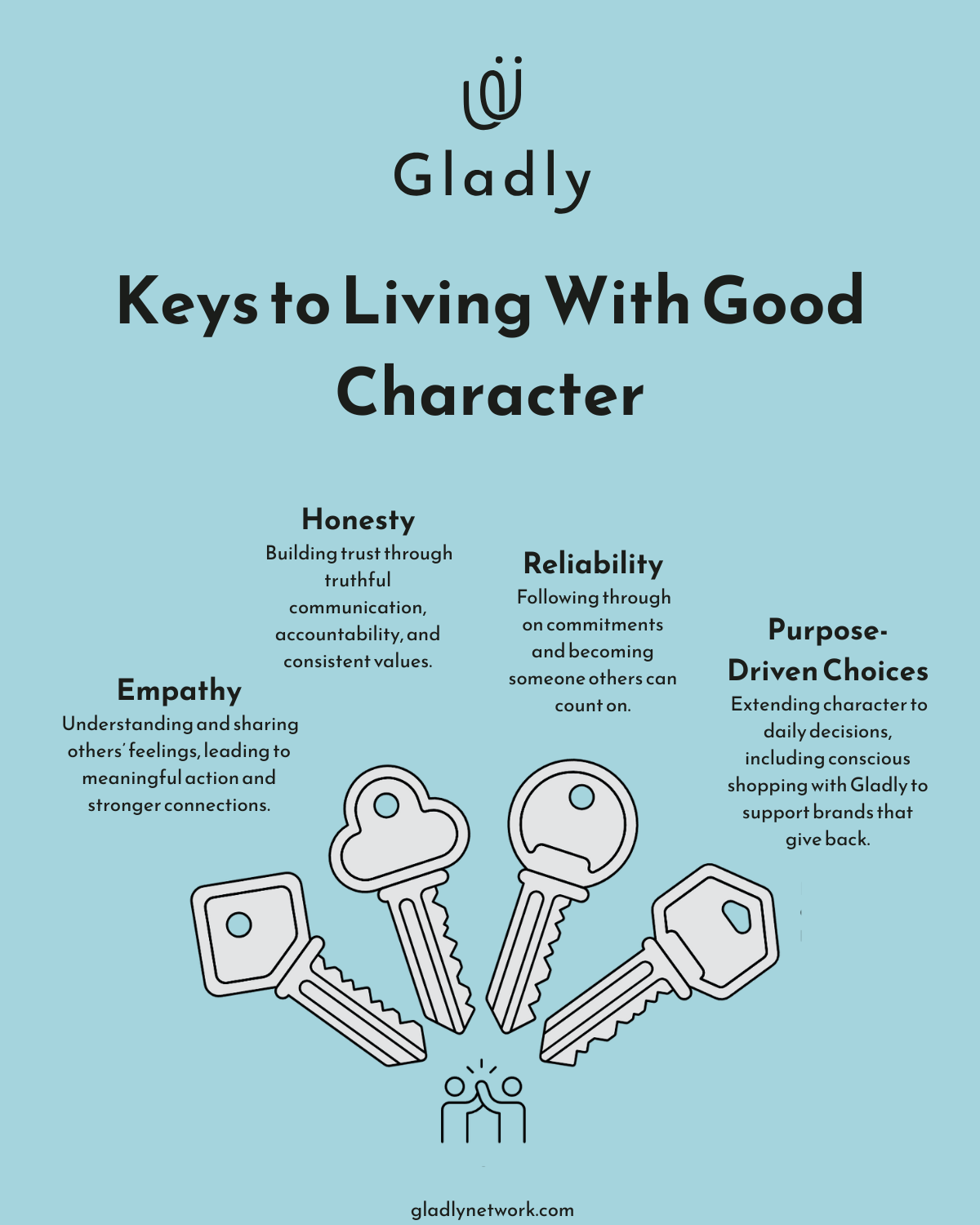
The characteristics of a good person go beyond politeness or occasional acts of kindness. Genuine goodness comes from empathy, honesty, and reliability.
These traits create ripple effects that strengthen families, workplaces, and communities. At Gladly Network, we believe that these qualities inspire others to act with purpose, turning everyday choices into lasting impact.
What Makes Someone Genuinely Good
The Power of True Empathy
Genuine goodness starts with empathy, the ability to understand and share what others feel. Research shows that empathetic individuals demonstrate lower stress-induced cortisol reactivity and increased prosocial behavior. Empathy isn’t just feeling sorry for someone; it actively steps into their shoes and responds with meaningful action.
When you see a colleague struggle with deadlines, empathy means you offer specific help rather than empty sympathy. When your neighbor faces hardship, you bring a meal or offer childcare. The University of California Riverside found that people who witness empathetic behavior become more likely to act compassionately themselves (creating expanding circles of positive impact).
Complete Honesty in Every Interaction
Honesty builds the foundation for all meaningful relationships, but it goes deeper than avoiding lies. True honesty means you admit mistakes immediately, give credit where it’s due, and speak truthfully even when it’s uncomfortable. Studies show that people who practice radical honesty report stronger relationships and higher trust ratings from colleagues.
This means you tell your boss about the error before they find it, acknowledge when you don’t know something, and give honest feedback that helps others grow. Integrity amplifies honesty when you align your actions with your values consistently (whether someone’s watching or not).
Unshakeable Reliability That Others Count On
Reliability transforms good intentions into lasting impact. Reliable people follow through on commitments, arrive when expected, and deliver what they promise. Harvard Business Review research indicates that teams with highly reliable members complete projects faster and report significantly higher satisfaction rates.
Reliability means you respond to messages within 24 hours, show up prepared for meetings, and finish tasks by agreed deadlines. You keep your word to help with moving day, return borrowed items promptly, and become the person others can count on during difficult times.
In professional settings, recognition and accountability strengthen teams and shape culture. Simple acts of recognition can reinforce honesty and perseverance. Motivosity, an employee recognition platform, shows how making appreciation visible every day helps reliability spread across entire organizations. When people see their efforts consistently valued, reliability ceases to be an individual trait and becomes a shared standard.
These core traits work together to create individuals who don’t just talk about goodness-they live it daily through their choices and actions, leading to a balanced, healthier life and profound effects on everyone around them.
How Good People Transform Communities
Small Actions Create Measurable Change
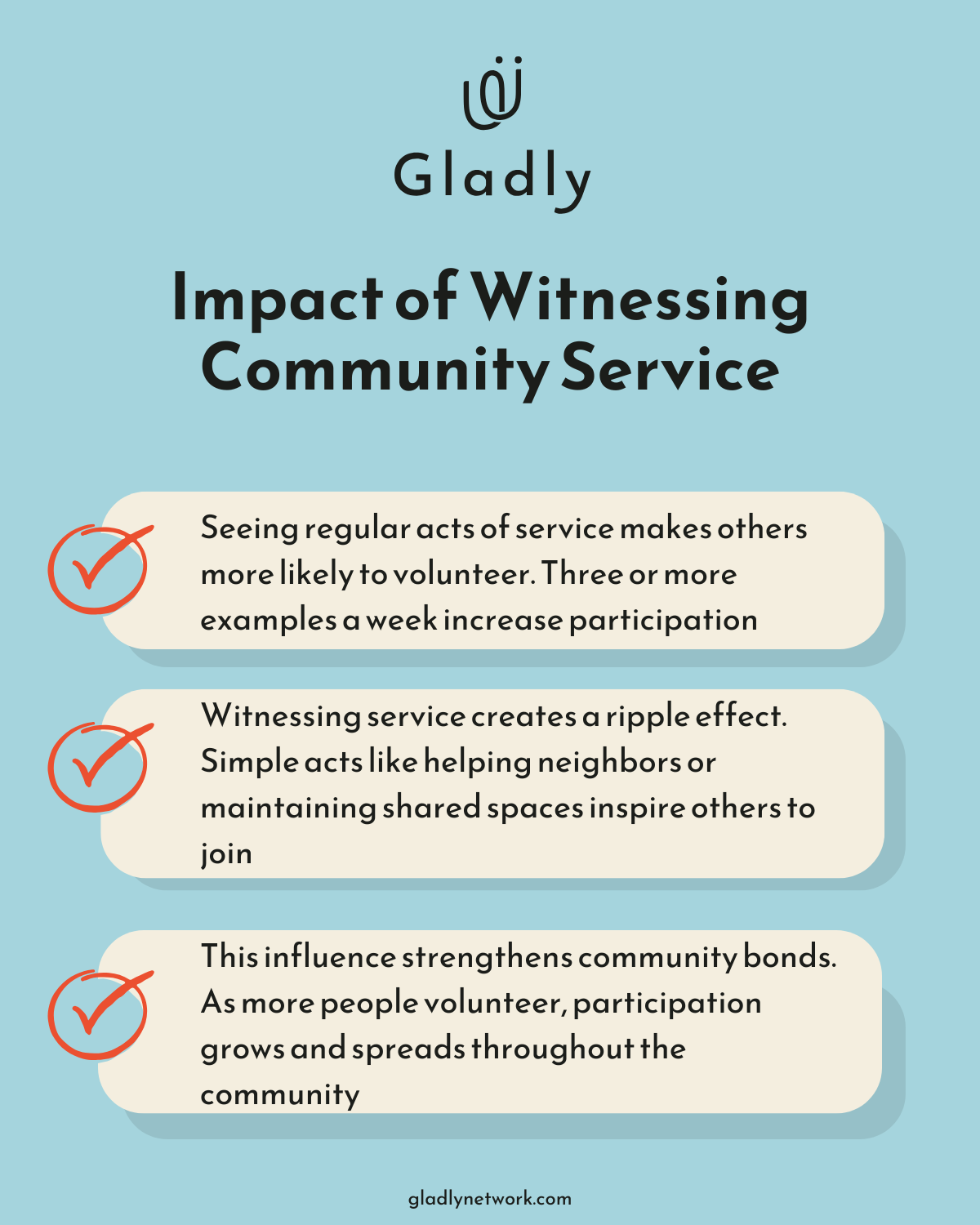
Good people understand that community transformation happens through consistent small actions rather than grand gestures. When someone picks up litter daily during their walk, organizes monthly neighborhood cleanups, or starts a community garden, these actions compound into significant environmental and social improvements.
The key lies in consistency and visibility. When residents witness three or more acts of community service per week, they become more likely to volunteer themselves within six months. This means your regular actions of help for elderly neighbors with groceries, maintenance of shared spaces, or organization of skill-sharing workshops create a multiplication effect that spreads throughout your entire community.
Networks Grow Through Authentic Connection
Good people excel at the construction of stronger community networks because they prioritize authentic relationships over transactional interactions. These individuals become connectors who introduce neighbors to each other, facilitate collaboration between local businesses, and create informal support systems that strengthen community resilience.
They achieve this through regular coffee meetups for parents at school pickup, creation of WhatsApp groups for neighborhood updates, or organization of monthly potluck dinners that bring diverse community members together. Neighborhoods with active social connectors report higher resident satisfaction and longer average residency periods, proving that good people create communities where others want to stay and invest long-term. Initiatives like Get Gladly highlight these everyday acts of goodness by inviting people to nominate someone making an impact in their community, turning authentic connections into visible stories that inspire others.
Visible Leadership Inspires Kindness
Good people inspire others through visible acts of kindness that demonstrate what’s possible rather than preach about what should be done. Research shows that people comply with small requests for help far more often than they decline them. When community members see someone consistently help at food banks, mentor youth, or support local businesses during tough times, they begin to model similar behaviors without anyone’s request.
This inspiration spreads through what researchers call behavioral contagion. Studies show that each person influenced by a good person’s kindness goes on to influence additional people, creating expansion circles of positive behavior that can reach hundreds of community members from a single individual’s consistent actions.
These community transformations don’t happen overnight, but they follow predictable patterns that anyone can learn to replicate. The development of these same character traits requires intentional practice and the right environment for growth.
How to Build Character That Lasts
Start With Five Minutes of Service Daily
Character development requires consistent practice, not occasional grand gestures. Research from Stanford University shows that people who commit to five-minute daily acts of service maintain these habits for over 300 days compared to those who attempt larger weekly commitments, who typically quit within 45 days. This means you help a coworker with their project for five minutes each morning, send one text to someone who struggles, or spend five minutes organizing shared office spaces.
These micro-actions compound into significant character changes because your brain develops neural pathways that make kindness automatic rather than effortful.
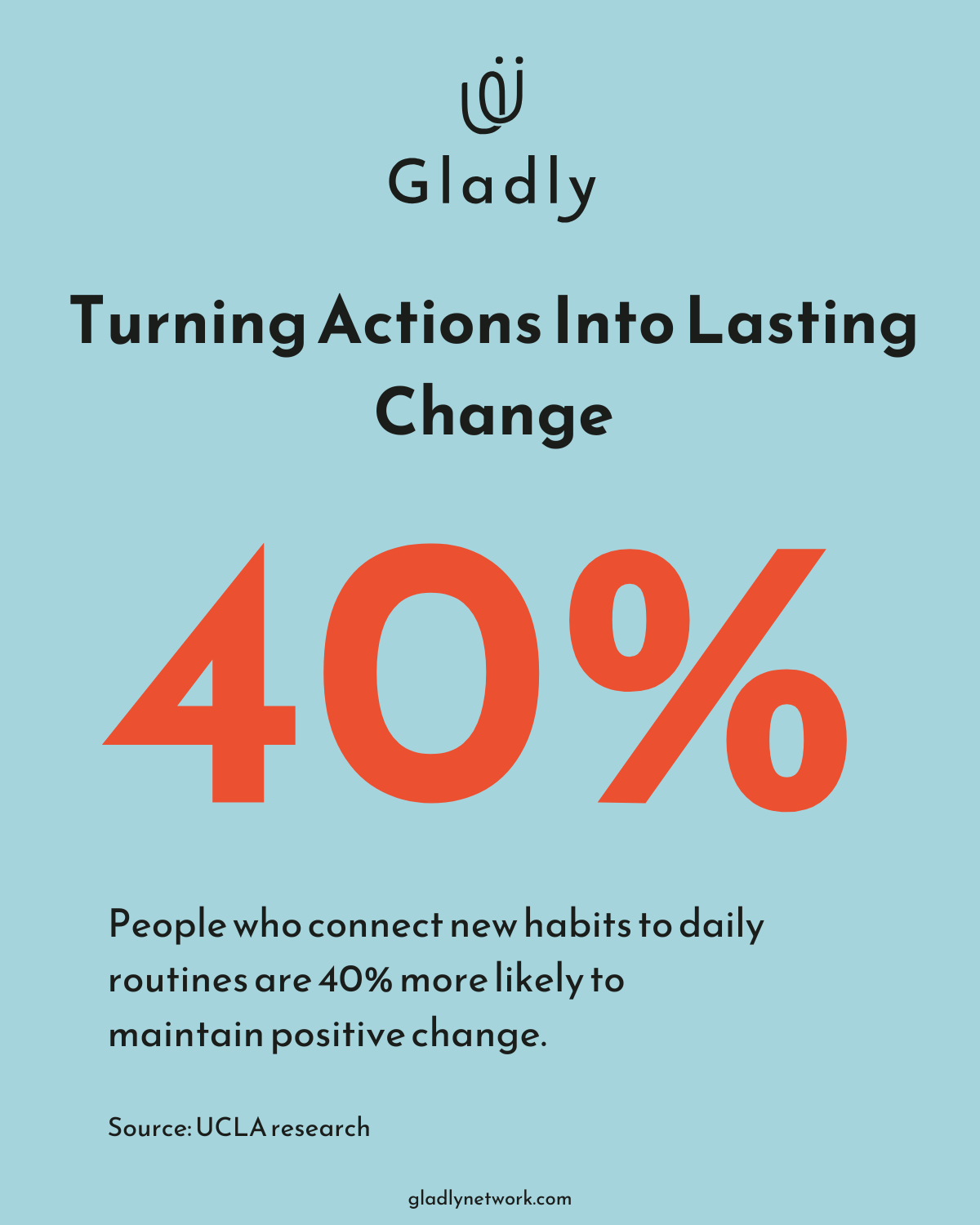
The key lies in specificity and timing. Choose one specific service action tied to an existing habit, like your morning coffee or walk to lunch. UCLA research demonstrates that people who link new behaviors to established routines show 40% higher success rates in maintaining positive changes long-term.
Sometimes sustaining daily character-building habits requires extra support. Platforms like ImpactSuite, which focus on emotional wellness and resilience, show how intentional tools can help people stay on track. The goal isn’t perfection, but having structures that make kindness and consistency part of everyday life.
Transform Setbacks Into Character Accelerators
Mistakes become character opportunities when you respond with immediate accountability and systematic learning. Harvard Business School found that professionals who acknowledge errors within 24 hours and implement specific prevention strategies advance faster in leadership roles than those who deflect responsibility. This means you call your client the same day you miss their deadline, explain exactly what went wrong, and present three concrete steps to prevent similar issues.
The transformation happens through what psychologists call post-traumatic growth. When you mess up a friendship through poor communication, you study conflict resolution techniques and practice active listening skills. When you break a commitment to volunteer, you create calendar systems and backup plans that make future reliability non-negotiable (each failure becomes training data that strengthens your character foundation).
Choose Role Models Who Challenge Your Growth
You need strategic relationship choices rather than hope that good people appear randomly. Research from the University of California San Diego shows that behaviors spread through social networks up to three degrees of separation, which means your friend’s friend’s friend influences your character development. This demands you actively seek mentors who demonstrate the traits you want to develop, join communities where kindness and integrity are standard expectations, and distance yourself from people who consistently exhibit negative behaviors regardless of convenience or social pressure.
Effective role model selection means you attend events where community leaders gather, volunteer with organizations known for their values-driven culture, and ask successful people you admire for monthly coffee meetings where you can observe their decision-making processes up close. These interactions provide real-world examples of character in action, much like how everyday essentials crafted from quality materials naturally develop character with use.
A Better World, One Choice at a Time
Being a good person is shown in everyday actions: offering empathy when someone needs it, speaking with honesty even when it feels difficult, and showing reliability when others depend on you. These small choices ripple outward, inspiring kindness and strengthening communities.

Helping a neighbor, supporting a coworker, or shopping with intention all contribute to the story of the world you are building. The strength of character is not measured in grand gestures but in the consistency of values turned into action.
At Gladly Network, we believe your purchases can reflect the same values. By joining our platform, you gain access to exclusive discounts on purpose-driven brands and make every shopping choice part of something bigger. Membership is free, and each decision you make helps shape a kinder future.