
Mental wellness at work shouldn’t feel like a constant fight to stay afloat. But for a lot of people, modern work comes with a steady undercurrent of pressure: packed calendars, nonstop notifications, and a mental load that doesn’t clock out at 5 p.m.
That’s why mental wellness at work has shifted from a “nice-to-have” perk to a real business priority. The healthiest teams today aren’t just asking people to be more resilient. They’re building systems that make it easier to breathe, reset, and feel supported in everyday moments.
In this guide, we’ll look at the tools helping workplaces move from stress to strength, starting with simple, measurable wellness support and ending with a surprising multiplier, recognition. Because when care is built into culture, everyone gets to thrive.
The New Workplace Reality – Stress Has Become Structural
Workplace stress has shifted from a personal problem to a structural reality. The APA’s 2023 Work in America report found that 77% of workers experienced work-related stress in the past month. Thirty-one percent of respondents reported emotional exhaustion. This pattern shows how systems, not individuals, often create ongoing pressure in daily work life.
Why Modern Work Stress Feels Different
Work has changed fast, and our nervous systems are still catching up. Constant context switching between tasks and platforms fragments our attention. The invisible mental load of tracking projects and deadlines adds another layer of complexity. Uncertainty about job security in rapidly evolving industries further compounds these tensions.
Only 35% of employees feel encouraged to take breaks during the workday, according to the APA report. This statistic reveals how company cultures often fail to support basic stress relief at work. When teams treat these challenges as personal shortcomings rather than systemic issues, people struggle to find effective solutions for modern workplace challenges.
From Wellness Perks to Strategic Support Systems
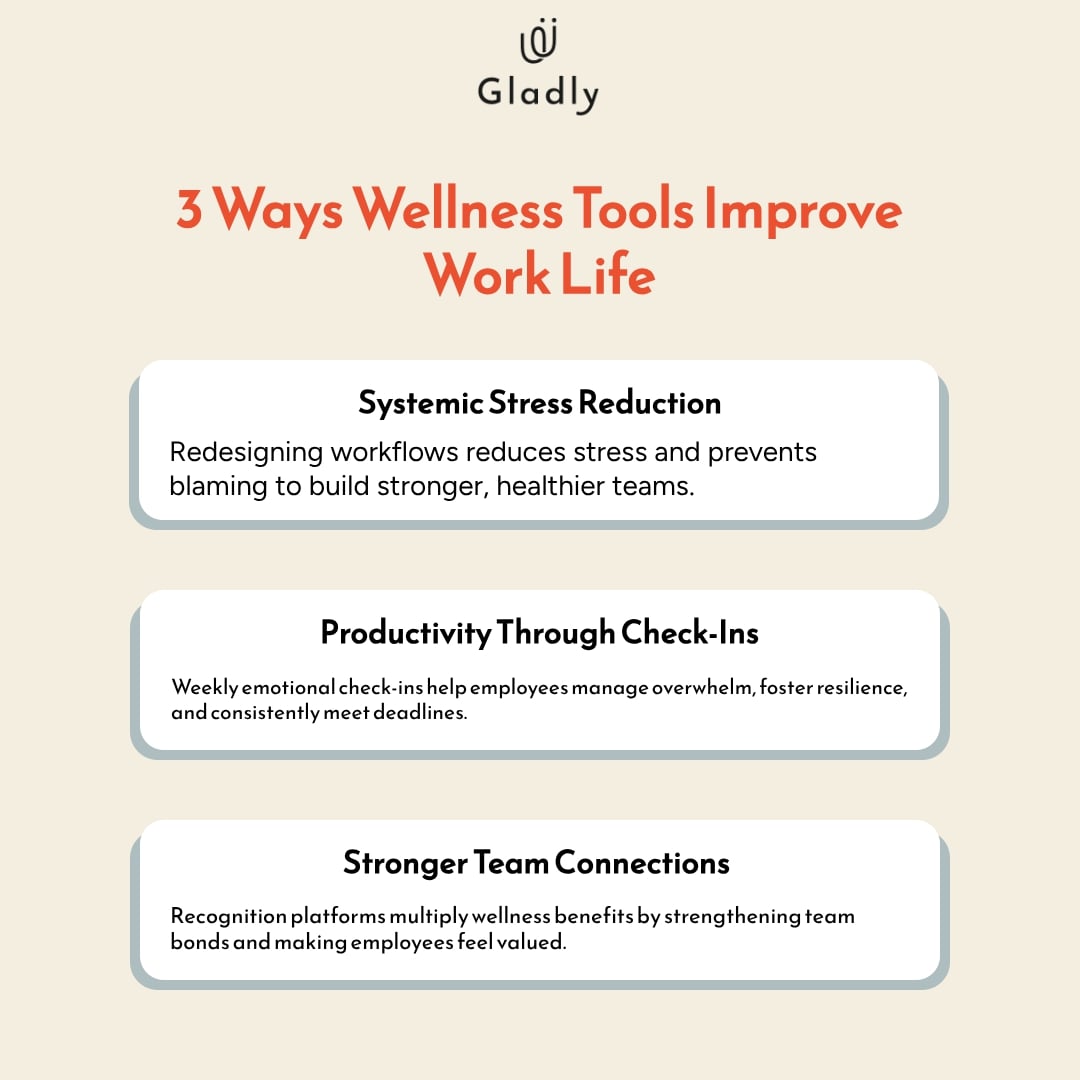
The shift from occasional wellness perks to integrated support systems marks a significant evolution in employee wellbeing approaches. Traditional offerings—like annual wellness days or gym discounts—provided temporary relief but missed underlying causes. Forward-thinking organizations now embed well-being into their operational DNA.
Mental Health America links psychological safety to resilience. Eighty-one percent of workers who feel psychologically safe say workplace stress doesn’t affect their mental health. We’ve seen weekly check-ins help a designer reduce overwhelm and meet deadlines with less anxiety. This connection between safety and performance demonstrates why strategic approaches matter.
Effective employee support requires consistent practices, like the nervous system regulation steps that build resilience through daily habits. By treating wellbeing as core infrastructure rather than an optional add-on, companies actually create environments where teams can thrive together.
Mental Wellness Tools That Actually Move the Needle
Gone are the days of generic wellness programs that look supportive but don’t really touch daily stress. The space has grown quickly for a reason. The mental health app market was valued at $5.72 billion in 2023 and is projected to reach $16.50 billion by 2030, which reflects how many teams are actively looking for better, more consistent support. And with nearly 46% of Europeans reporting emotional challenges in the past year, the need for practical mental wellness at work tools is hard to ignore.
Tools that really help teams thrive are the ones that fit into real workdays and catch stress early. ImpactSuite does this through quick emotional check-ins and guided micro-practices that make mental wellness at work a shared rhythm, not a private task. And because it’s part of the Gladly Shop, it’s simple to include in a team’s everyday wellbeing toolkit.
When evaluating platforms, keep it grounded. The best ones are easy to use on a busy Tuesday, protect privacy, and support small habits people can actually stick with over time.
Measurement Meets Daily Support
What makes wellness tools effective? The best ones combine data insights with practical daily support. Early detection systems can identify potential issues before they escalate. This proactive approach enables preventive mental health interventions when they’re most effective.
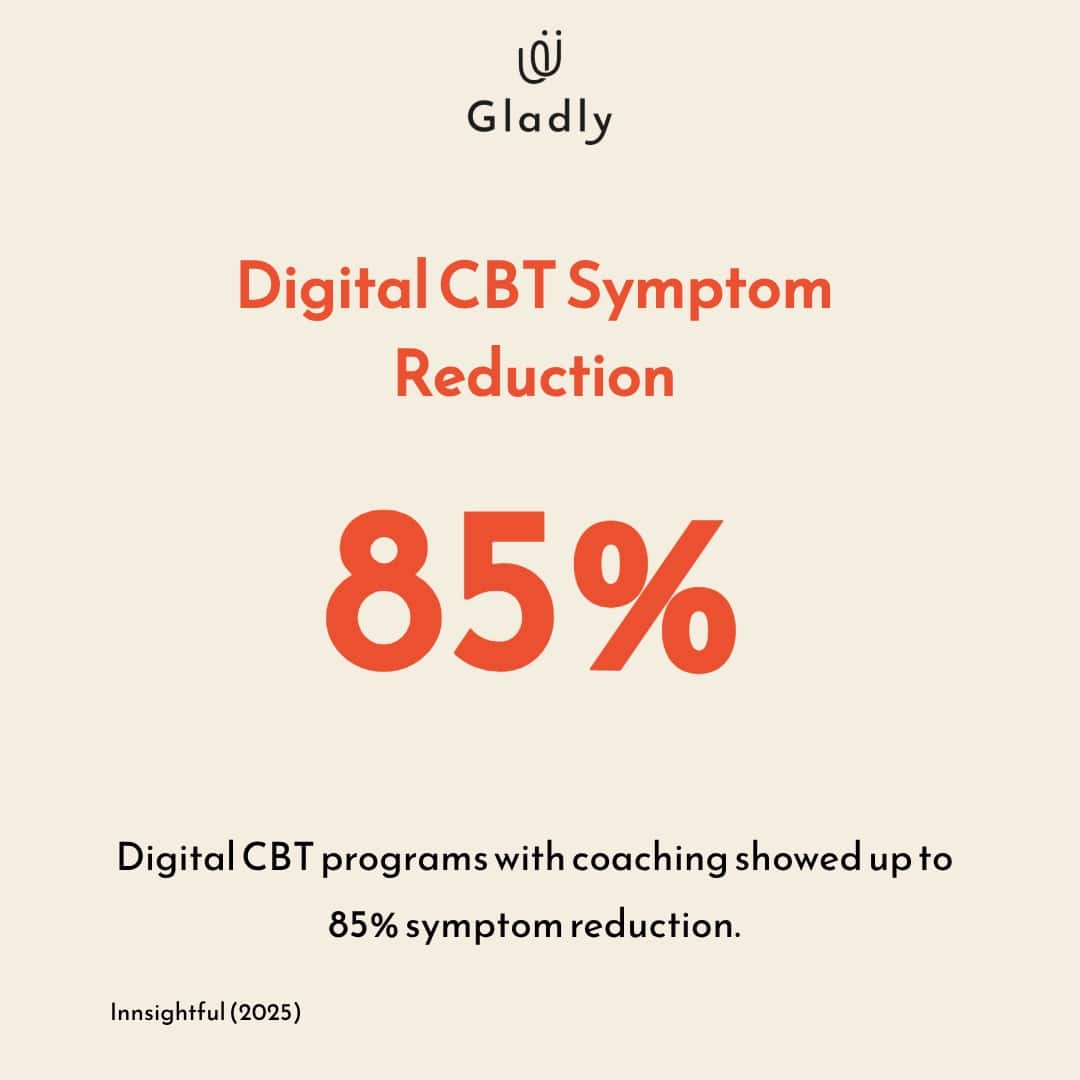
Digital CBT programs with coaching have shown up to 85% symptom reduction. AI-powered therapeutic tools reduced anxiety 30–50% within two weeks (Innsightful). A marketing manager we worked with struggled with overwhelming anxiety until implementing regular emotional check-ins. These brief assessments provided clarity about her stress triggers.
Incorporating mindfulness techniques into daily routines enhances resilience in a way that feels natural.
For some teams, Comfrt’s soft, slightly weighted loungewear and hoodies add that same grounding sensation in a very practical way, a wearable reminder to settle your nervous system during high-pressure days.
Sensory awareness exercises have been particularly effective, with many participants reporting reduced tension within days.
Building Resilience Into Everyday Rhythms
Resilience grows through consistent small actions rather than occasional wellness events. Have you noticed how tiny habits often create the biggest changes? Micro-rituals—like two-minute breathing exercises between meetings—create a foundation for workplace resilience. Teams that implement these daily wellness practices report higher engagement.
Resilience grows through small, consistent habits, not occasional wellness events. Some teams also support mental wellness through simple daily routines like better-for-you nutrition or supplements that make long workdays feel steadier, and Premium partners like hellohealth fit naturally into that everyday wellbeing rhythm.
Managers play a crucial role by modeling healthy boundaries and encouraging breaks. Our research shows that employees who feel supported in taking strategic rest demonstrate improved focus. In fact, one of our partner companies saw significant improvements after implementing structured pause periods in their workflow.
Embed these practices into workflows instead of treating them as separate activities. That helps organizations build sustainable cultures where well-being is part of how work happens. The most successful teams view these practices as essential infrastructure rather than optional add-ons.
Recognition Amplifies Mental Wellness in Surprising Ways
“Thank you for your work” might just be the most underrated mental health tool available today. Simple acknowledgment triggers reward and bonding responses in our brains. Recognition activates the same neural pathways as receiving a monetary reward.
The connection between appreciation and mental health runs deeper than most realize. Organizations implementing structured recognition best practices build pathways that strengthen resilience. This approach transforms workplace culture from a potential stressor into a protective factor; teams with psychological safety perform better across all metrics.
Being Truly Seen Reduces Chronic Stress
Recognition shifts the emotional tone of work. Feeling seen creates trust, and trust makes stress easier to carry together.
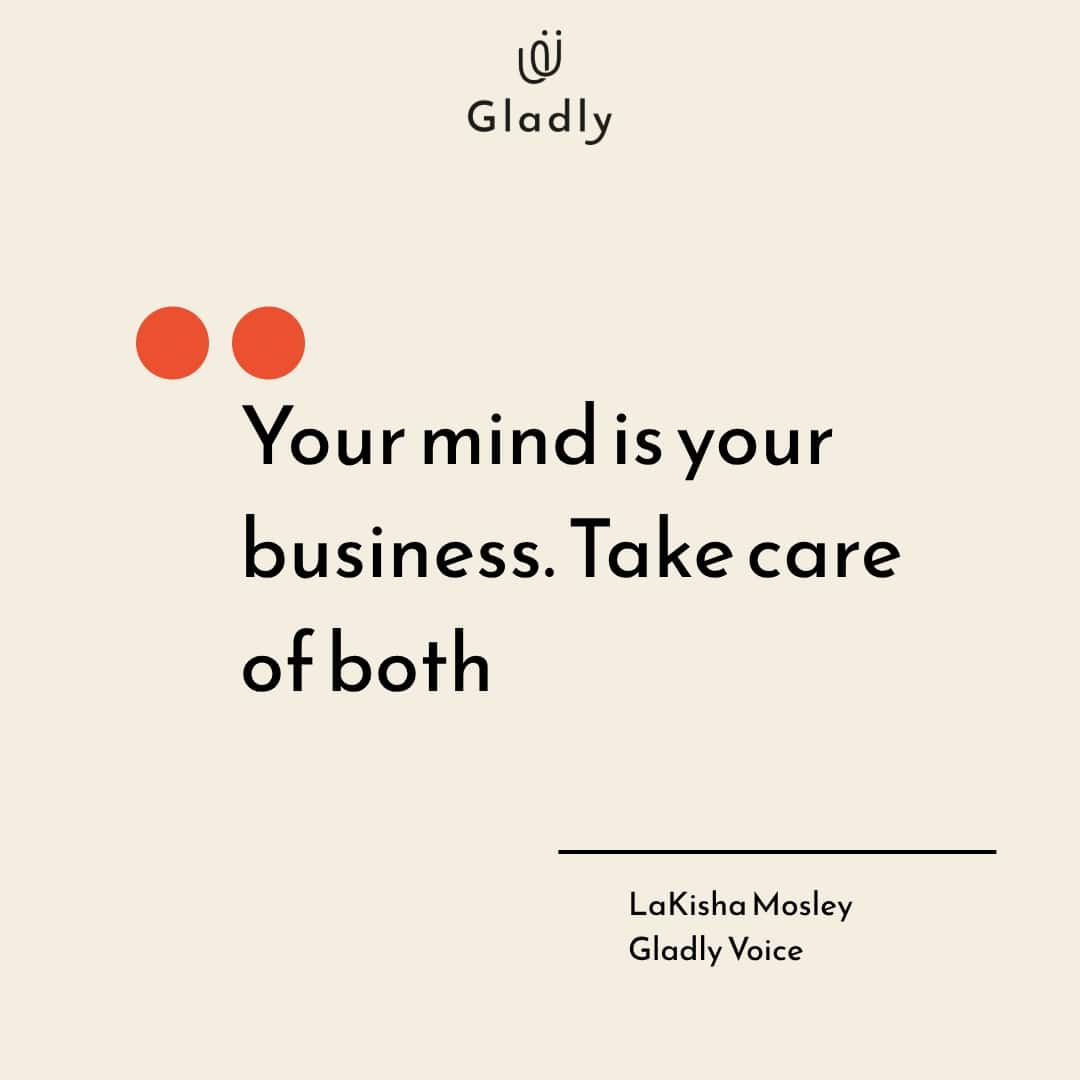
As Gladly Voice LaKisha Mosley writes, “Your mind is your business. Take care of both.” It’s a simple reminder that mental wellness at work is leadership work, and Gladly Voices is where those conversations keep growing.
How does recognition change our perception of challenges? A project delay feels less threatening when we trust our team values our efforts. The constant vigilance driving workplace anxiety—”Am I doing enough?”—relaxes when regular feedback confirms our contributions matter.
Many teams find that a simple rhythm of weekly appreciation makes work feel safer and more connected.
How Recognition Platforms Scale Culture Change
Digital tools now make meaningful appreciation accessible across organizations of all sizes. Platforms like Motivosity facilitate micro-moments of acknowledgment through quick shoutouts and small rewards. These systems democratize appreciation, allowing peers to celebrate each other without manager approval.
What makes these platforms effective? They connect acknowledgment to specific behaviors that reinforce organizational values. A customer service rep received a Motivosity shoutout for “creating a moment of delight during a difficult call.” The team referenced this example in their next training session as the gold standard.
The most successful programs emphasize meaning over monetary value. A thoughtful message explaining how someone’s work made a difference creates more lasting impact than an anonymous gift card. By embedding these exchanges into daily workflows, workplace culture tools transform one interaction at a time.
Low employee engagement costs the global economy $8.9 trillion. Recognition offers a surprisingly affordable solution to this massive problem. When people feel their contributions matter, they bring their full selves to work—benefiting both mental health and organizational success.
Building Workplaces Where Everyone Can Thrive
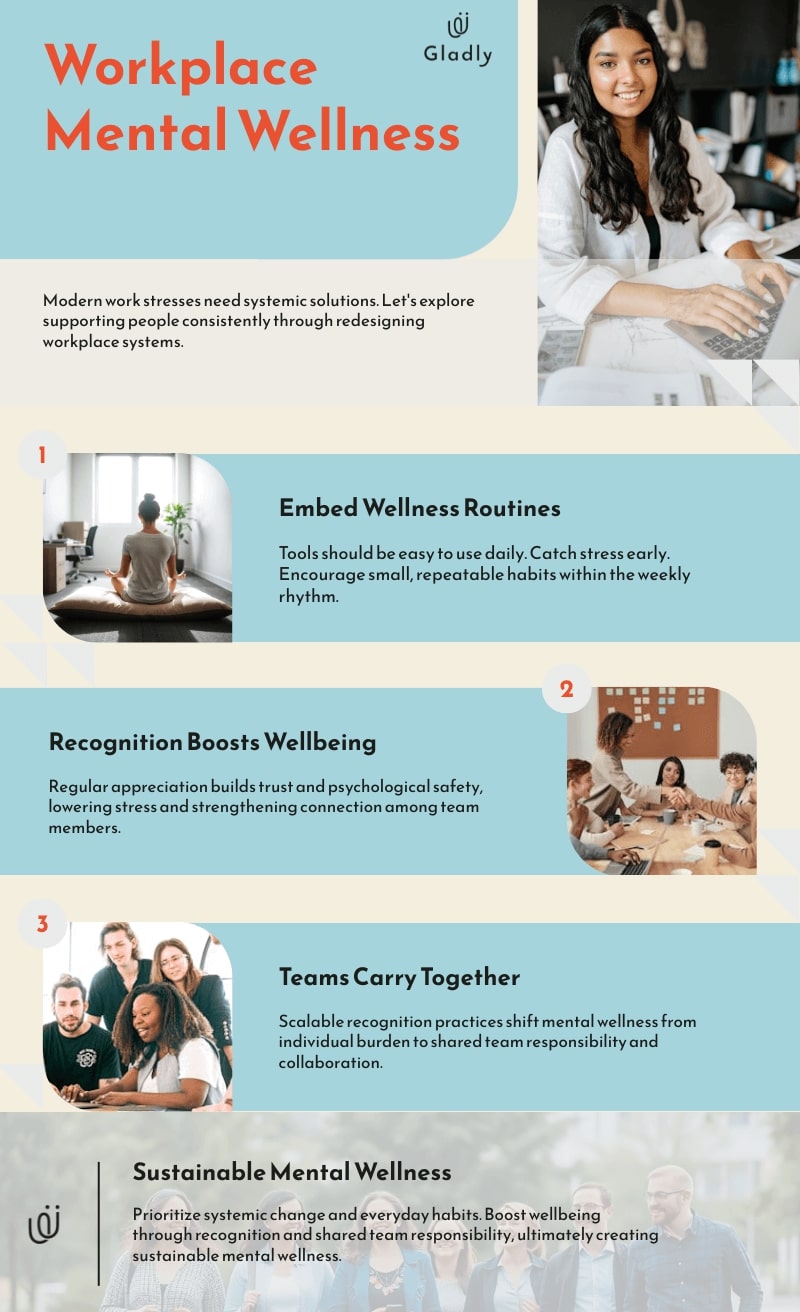
Wellness at work works best when it’s woven into everyday culture. Teams that feel healthiest over time tend to share two things: practical support people can use in real moments of stress, and a steady habit of recognizing each other’s contributions. When those pieces are in place, pressure doesn’t disappear, but it becomes easier to navigate together.
There’s also something meaningful about where that support comes from. Choosing tools and perks from purpose-driven brands adds an extra layer of care, especially when it supports employees and the communities those brands serve. If your team is looking to strengthen mental wellness at work in a way that reflects your values, the Gladly Shop is a simple place to start exploring options that do both.
Sometimes the healthiest teams also recharge through how they travel. We will explore that next.